How to Build a Trusted Senior Care Guide for St Louis Families
When my mother started needing help with daily tasks, I felt like I had stepped into a foreign country. The terminology alone was overwhelming: assisted living, memory care, skilled nursing, residential care. I had no map, no compass, and certainly no trusted senior care guide to point me in the right direction. That experience taught me something that has stuck with me ever since: families in the St Louis area need honest, practical resources that cut through the noise and show them what real care looks like.
Over the past decade, I have visited dozens of communities across Missouri, sat with directors at small cottage-style homes and large corporate campuses alike, and listened to hundreds of family caregivers share their stories. The one thing I hear again and again is that people want transparency. They want to know what happens behind the front door, not just what the brochure promises. That is why a trusted senior care guide matters so much. It is not a directory of every option in town. It is a filter that helps you find the places that actually deliver on their promises.
Why a Senior Living Directory Is Only the Starting Point
Most online senior living directories give you a list of names, addresses, and star ratings. They treat assisted living and memory care as if they are interchangeable products. But anyone who has toured a few communities knows that is not true. One place might feel like a hospital wing with shared rooms and a fixed schedule. Another might feel like a home, with a small group of residents, home-cooked meals, and staff who know everyone by name. The difference is not just cosmetic. It affects how your loved one experiences daily life.
That is why a directory meant for St Louis families should do more than list names. It should help you understand the care options available, and it should point you toward places that practice person-centered care. In my experience, the best communities are the ones that keep their scale small. They do not try to be everything to everyone. They focus on a specific type of care, often memory care or assisted living, and they do it well. A cottage-style home with ten or twelve residents can offer a level of attention that a two-hundred-bed facility simply cannot match.

What Real Senior Care Transparency Looks Like
I remember visiting a Memory Care Community in the St Louis suburbs that had a beautiful website. The photos showed smiling residents in a sunlit common area. But when I walked through the door, I noticed something odd. The staff member giving the tour kept steering me away from certain hallways. She would not let me peek into the kitchen or the activity room. That was a red flag. A place that practices transparency does not hide anything. They invite you to see the dining room during lunch. They let you talk to family members of current residents. They share their inspection reports and state survey results without being asked.
A trusted senior care guide helps you spot these differences. It teaches you what questions to ask and what warning signs to watch for. For example, when you tour an assisted living home, ask how many staff are on duty during the night. Ask how they handle medication management. Ask about staff turnover. If the director hesitates or gives a vague answer, that tells you something. In the same way, when you are looking at memory care options, ask how they handle wandering or agitation. Ask if they have a secure outdoor space. Ask what training their staff receive in dementia care. The answers will tell you more than any brochure ever could.
Small-Scale, Family-Focused Care: Why Size Matters
One of the biggest shifts I have seen in Missouri senior care over the past few years is the move toward smaller, more intimate settings. Large facilities still have their place, especially for people who need a high level of medical oversight. But for many older adults, especially those living with dementia, a smaller environment feels safer and less confusing. A cottage-style home with a handful of residents can create a real sense of family. The staff and residents eat together, celebrate holidays together, and look out for one another. That kind of connection is hard to replicate in a larger institution.
Family-focused care means that the community treats you, the caregiver, as a partner. They keep you informed about changes in your loved one's condition. They invite you to care planning meetings. They listen when you raise concerns. In my experience, small-scale communities are often better at this because they have fewer layers of management. You can talk directly to the owner or the director, not a corporate hotline. That direct line of communication makes a huge difference when a crisis hits.
Navigating Memory Care and Assisted Living in St Louis
St Louis has a wide range of care options, from large continuing care retirement communities to small private homes. The city also has a strong network of support organizations. The St Louis Area Agency on Aging offers free counseling and referrals. The Alzheimer's Association has a local chapter that runs support groups and educational workshops. Medicare's online tools can help you compare nursing homes and home health agencies. But none of these resources alone gives you the full picture. You need a trusted senior care guide that pulls everything together and helps you apply it to your specific situation.

I once helped a friend whose father needed memory care after his wife passed away. They toured four different communities. The first one felt like a hospital. The second had a nice building but a high staff turnover rate. The third was a small cottage-style home with only eight residents. It was not the fanciest place, but the staff knew every resident by name, and the food was cooked from scratch. My friend chose that one. His father lived there for three years, and the family stayed involved the whole time. They attended monthly care meetings, joined holiday parties, and became part of the community. That is the kind of outcome that a good guide can help you find.
Practical Steps for Finding Quality Care
Here are a few strategies that have helped families I have worked with. They are simple, but they make a real difference.
- Start by identifying the type of care you need. Is it assisted living for someone who needs help with bathing and meals but can still move around? Or memory care for someone with Alzheimer's who needs a secure environment and specialized programming?
- Use a senior living directory that focuses on small-scale and family-focused care. Look for communities that describe themselves as cottage-style or home-like. These are often the ones that prioritize quality over quantity.
- Visit at least three communities. Visit at different times of day if possible. Go during lunch to see the food. Go on a weekend to see what activities are offered.
- Talk to family members of current residents. Ask them what they wish they had known before their loved one moved in.
- Check state inspection reports. Missouri publishes survey results for licensed assisted living and memory care communities. Look for patterns, not just a single citation.
How to Evaluate Care Quality Beyond the Brochure
Care quality is not something you can measure with a checklist alone. It shows up in small moments. Does a staff member stop to talk to a resident who looks confused? Does the dining room feel relaxed and welcoming? Do residents have personal items in their rooms that reflect who they are? These details matter. Person-centered care is about treating each resident as an individual, not a diagnosis. A community that practices this will let residents choose their own wake-up time, decide what to wear, and participate in activities they actually enjoy.
Senior care transparency also means being honest about costs. Many families I talk to are surprised by the add-on fees that appear after move-in. Some communities charge extra for laundry, for medication management, or for certain levels of assistance. A good guide will tell you to ask about these fees upfront. It will also help you understand how Medicare and other payment sources work, so you are not caught off guard.
Building Your Own Trusted Senior Care Guide
You do not have to rely on a single senior housing directory or a single recommendation. You can build your own trusted senior care guide by combining information from multiple sources. Start with the St Louis Area Agency on Aging. Then look at state inspection reports. Then read reviews from families on independent sites. Then visit the communities yourself. Each source fills in a piece of the puzzle. No single source tells the whole story.
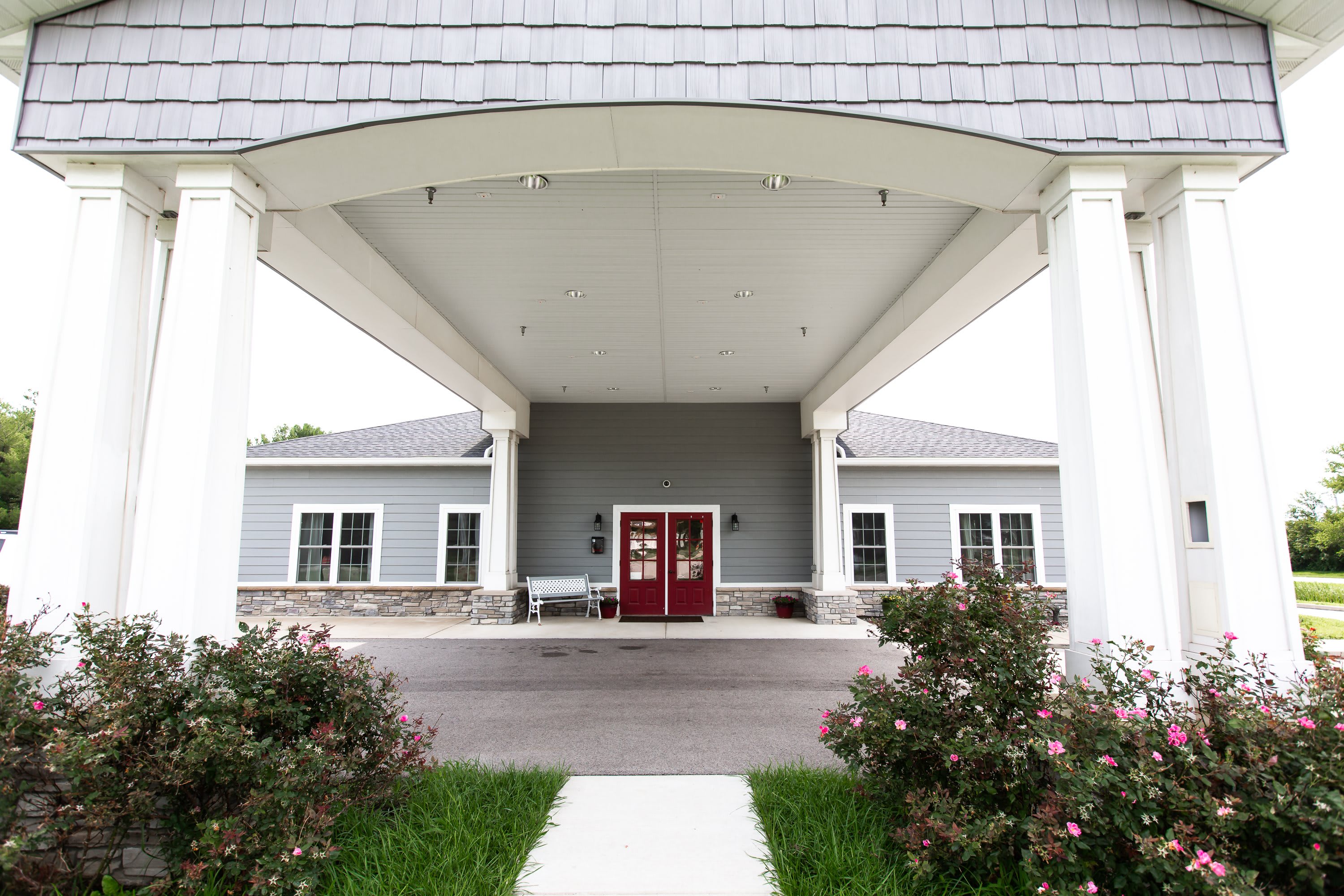
I have seen families make good decisions this way. I have also seen families make rushed decisions based on a single tour or a friend's recommendation, only to regret it later. The stakes are high. Elder care involves not just a person's health but their dignity and quality of life. Taking the time to research thoroughly is worth it. A trusted senior care guide, whether it is a website, a book, or a set of questions you carry with you, can save you from costly mistakes and heartache.
In the end, the goal is to find a place where your loved one feels safe, respected, and engaged. That might be a large community with a memory care wing, or it might be a small cottage-style home with a dozen residents. The right choice depends on your family's needs and values. But the process of finding it should be transparent, thoughtful, and informed by people who have been where you are now.